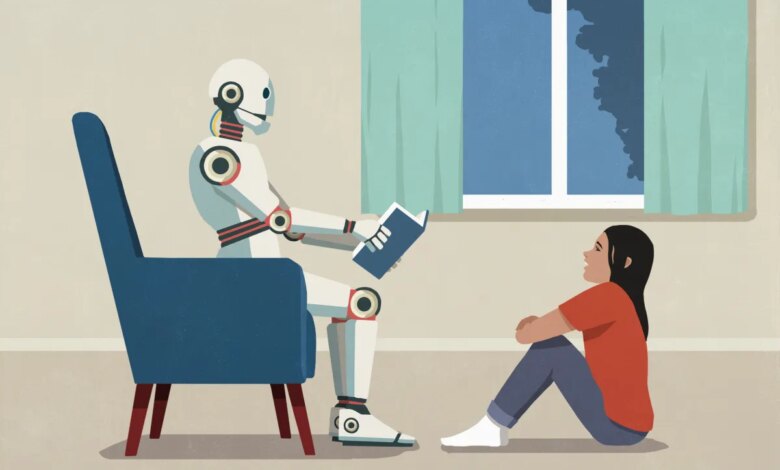
Meta is developing an artificial intelligence storytelling application named StoryKit, designed to generate personalized children’s tales featuring unique characters, environments, lessons, and accompanying music. The App Store promises parents that “You don’t need to write a single word.”
Finally, a tech firm is taking on the age-old human tradition of storytelling, allowing us to leverage our creativity.
The initial discovery of StoryKit in the App Store was made by 9to5Mac. Meta has since confirmed that the app is currently being tested in select regions to gather feedback from parents. A spokesperson from the company described StoryKit as an inventive storytelling platform that enables the customization of imaginative storybooks for kids, highlighting that it incorporates AI safety protocols and excludes social functionalities, being available solely to adults over 18.
To create a story within the app, users first choose a character, which can be crafted by “[snapping] a photo of their favorite toy or person,” as stated in the App Store description. Then, users detail the environment of their narrative and select a moral lesson, allowing them to “incorporate values like kindness, courage, or empathy without coming across as preachy.”
The bright side of StoryKit is that it could be worse. Meta often presents outlandish ideas, such as deepfake generators on Instagram. In comparison, is it truly harmful to subject children to lifeless bedtime stories? Should we have anticipated more from a company that envisioned a utopian realm of virtual meetings?
While humans have their shortcomings, we excel at storytelling. Our species has engaged in this art form since the dawn of time. Original tales of princesses and knights may not even be necessary; we have long drawn inspiration from ancient myths and fables. The biggest summer blockbuster usually springs from storytelling traditions that date back to oral histories.
Parents today lead hectic lives, but it has always been possible to navigate bedtime routines without resorting to technology that mechanically calculates responses based on predictable inputs.
It’s easy to see why one might be tempted to use StoryKit when a child turns away from a shelf full of books and insists on an improvised space adventure involving a turtle and a hedgehog teaming up to solve cosmic puzzles. Yet, do we genuinely want to forfeit the chance for delightful, whimsical interactions and substitute them with pre-determined scripts generated by AI on our devices?
The underlying message here may be that we can decide against a reality where children grow up with bedtime stories crafted by algorithms. Meta’s vision might lean toward an isolated and disheartening future, but we possess the ability to reject that narrative.