I Turned My Google TV Over to an AI, and It Tackled Streaming’s Greatest Challenge

Byline / Author
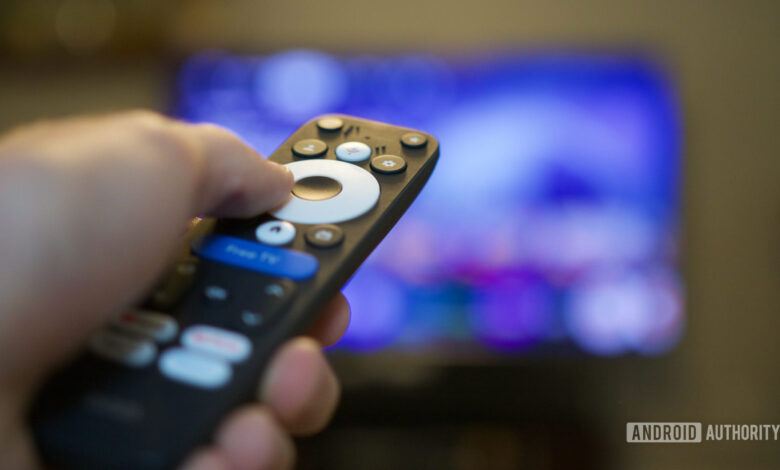
The experience of scrolling endlessly through streaming platforms is all too familiar. While services like Netflix boast extensive libraries, finding the right movie can often feel impossible. Many times, I sit on my couch, remote in hand, overwhelmed by choices as the clock ticks away. The irony of streaming is that, despite the wealth of options, making a selection often turns into a frustrating task instead of a peaceful pastime. Personally, I usually end up browsing YouTube instead. But I digress.
After a week of letting a chatbot guide my TV choices, I believe this could be the future of watching content on devices.
Recently, I was introduced to an intriguing solution to this content discovery dilemma by an emerging Indian tech company, Lumio. Their initiative, known as Project Neo, functions as an experimental AI tool aimed at enhancing the connection between content discovery platforms and our viewing screens, utilizing apps we already use daily.
Project Neo integrates an AI assistant with Google TV via apps such as WhatsApp and Instagram, simplifying the process of finding something to watch. After spending a week allowing the chatbot to guide my viewing decisions, I firmly believe this method is what the smart TV landscape has been lacking. More than that, it stands out as one of the most innovative uses of AI I’ve encountered lately.
How do you decide what to watch?
17 votes
Smart TVs often fail to grasp your preferences
Byline / Author
A significant issue with current smart TV platforms is the ineffective content discovery process. Another major concern is the reliance on genres — nuanced distinctions often get overlooked. For example, a brilliant horror film like Midsommar might share more in common with the classic The Wicker Man than current mainstream horror offerings on platforms.
The design of streaming interfaces prioritizes user engagement, requiring users to sift through cluttered grids of promotional tiles, endure auto-playing trailers, or navigate multiple menus with outdated remotes. Discovery, however, is often happening on our mobile devices, in spaces like forums and social networks.
As most discovery occurs on mobile, transferring that behavior to a larger screen presents challenges. When a friend shares a movie recommendation via text, you’re left to remember the title, find its streaming platform, pick up the remote, and manually enter the name or rely on frequently flawed voice search options. Although Google Assistant can help, it often falls short.
Smart recommendations that resonate
Byline / Author
Project Neo changes this narrative by shifting the discovery process back to mobile, employing a user-friendly interface many are already familiar with. The system utilizes a companion application named TLDR, and users can easily connect it via a standard QR code pairing with a WhatsApp chatbot. This sets the stage for conversational input directly on the TV.
Project Neo seamlessly integrates television discovery into the mobile interface everyone already knows how to navigate.
This integration is intuitive. Users don’t need to download a new app; everything is brought to their existing interface. Just type in or speak the content you wish to watch, and TLDR will fetch it for you. Users simply tap on the thumbnail to start watching, provided they’re logged into the appropriate service. If not, they’ll still receive details on where to find the content, along with appealing posters, summaries, and cast information.
Byline / Author
Beyond serving as a media launcher, Project Neo offers an impressive array of features, including a comprehensive recommendation engine where the AI’s capabilities truly shine. During testing, the system effortlessly suggested films similar to Lawrence of Arabia, such as Ben-Hur and The Last Emperor.
The overall experience using Project Neo is remarkably smooth. Instead of searching for a particular title, users can communicate with the WhatsApp bot like they would with a friend, accommodating slang and casual speech. One can ask for trending films or more complex queries, like finding a lesser-known neo-noir from the ’90s with high ratings that features at least one Oscar nominee. The recommendations appear right on the projector screen, and users can refine their searches further, such as excluding films over 90 minutes. It’s rather impressive.
If typing isn’t appealing, voice notes work just as well. Besides movies, users can also search for music videos and sports scores. For the latter, the system shows title cards with game highlights but currently lacks the capability to stream live matches.
Incorporating social recommendations into viewing
Byline / Author
Project Neo bridges a considerable gap in modern entertainment by incorporating social media links directly into the TV watching experience. With many of my discoveries happening on Instagram, I often find intriguing films but forget to revisit them for later viewing.
With Project Neo, users can connect their Instagram accounts and share images or reels with the bot, which effectively interprets the content and presents recommendations on the TV. When I sent over a trailer for Godzilla Minus Zero, it not only played the trailer but also displayed a movie card, allowing me to add it to my watchlist.
This innovation connects social media discovery with the experience of watching on television.
This feature extends beyond simple queries. Often, I come across funny clips on social media that I’d love to share on a larger screen. Instead of searching on YouTube or mirroring my phone screen, I can send the Instagram reel to the bot, and it plays it directly through my projector, eliminating the awkwardness of passing my phone around or the distractions from incoming notifications during mirroring.
A forward-looking vision
Byline / Author
While Project Neo shows great potential, it’s still in the beta stage and comes with certain limitations. Although it can launch content from various popular apps, it can’t access every platform due to the restrictive nature of Google TV. Users may still need to manually start recommended movies or shows.
Additionally, the AI bot can sometimes lag, leading to moments of uncertainty about whether it’s functioning properly; although this happened infrequently, it was notable.
Furthermore, the companion app is currently limited to Lumio TVs and projectors. While this decision enhances the appeal of their devices, it seems like a missed opportunity to extend this functionality to other hardware through the Play Store.
Lastly, it’s essential to consider that Gemini for TV aims to introduce a similar AI experience across various televisions, although a definitive timeline for widespread launch is still unclear. Nevertheless, the WhatsApp and Instagram interface is a genuine innovation that shares something unique, a feature worth embracing for the entire ecosystem.
Google should take inspiration from this model
Byline / Author
The vision behind Lumio’s development reflects the crucial advancements Google TV must embrace. Google possesses all the necessary components to create a similarly integrated experience, and it could scale such a project far beyond Lumio’s capabilities. Based on sightings of Gemini for TV, it appears they are pursuing something similar.
A fascinating preview of the future of television interfaces.
However, if Google were to incorporate a conversational AI discovery engine directly into the TV experience, complete with social media integration, it could truly transform the user experience. A built-in solution would eliminate deep-linking challenges that hinder Project Neo and similar applications, allowing users to discover a movie and instantly start watching it on any platform, leaving less need for remotes or ineffective voice commands. Project Neo illustrates how natural language and mobile input streamlined content discovery. Google should capitalize on this direction as we approach the next era of Google TV.
Thank you for being part of our community. Please familiarize yourself with our commenting guidelines before participating.