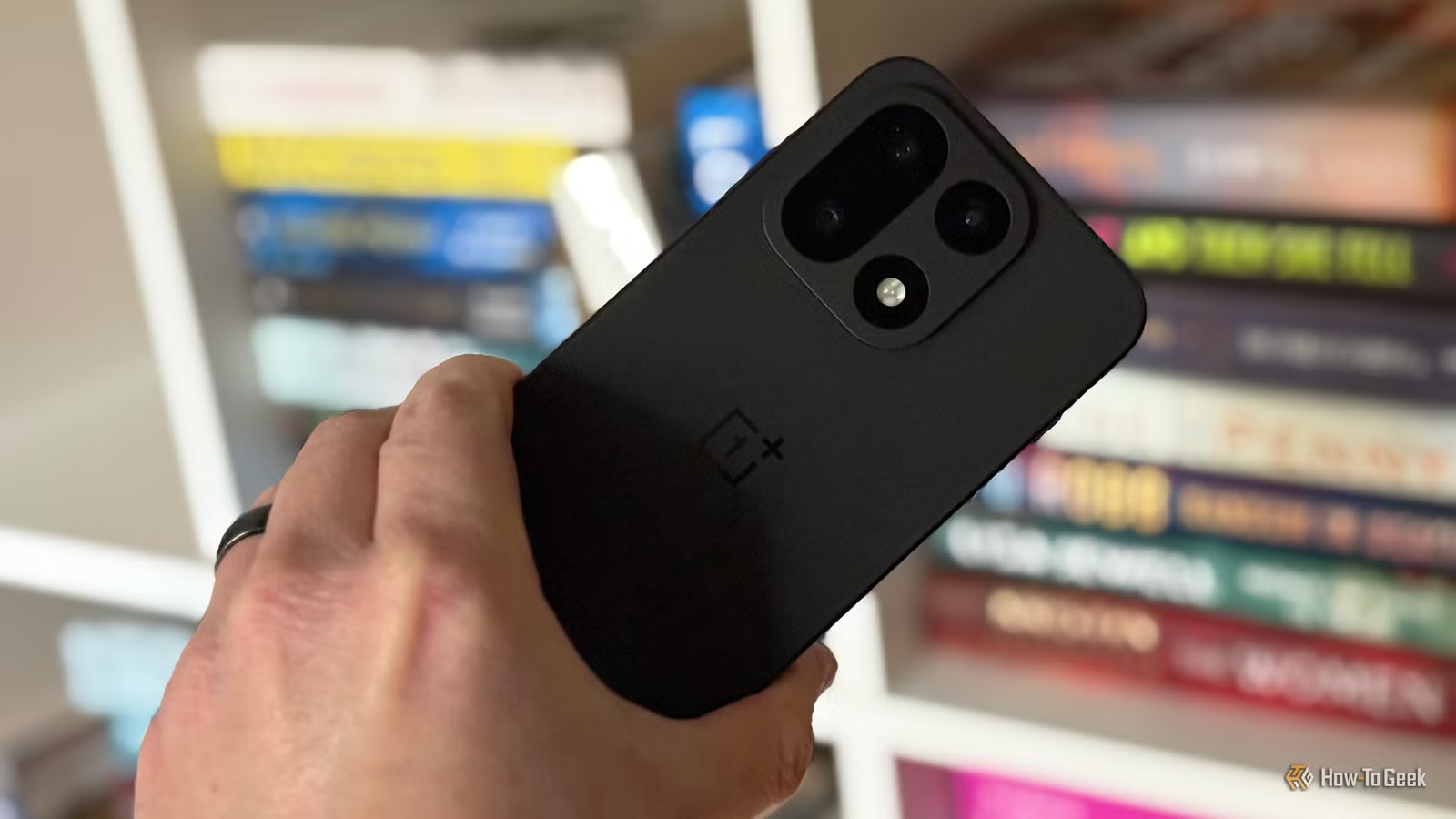
OnePlus has announced its departure from the U.S. and European markets after a period of reducing its footprint in those regions. The company’s parent organization, Oppo, has confirmed that OnePlus will cease launching new products in North America and Europe, although it will maintain support for existing devices.
This decision is described by the smartphone manufacturer as part of a “proactive global strategic adjustment.” Oppo plans to incorporate the features and product vision of OnePlus into its own brand. This move aligns with recent trends, as many of the latest OnePlus smartphones have been variants of Oppo models. The timing coincides with OnePlus co-founder Pete Lau’s return to Oppo as Chief Product Officer.
Oppo has not clarified whether OnePlus will continue to launch products in other global regions, although it has reassured community members that OnePlus India will maintain its operations as usual.
What to Expect for OnePlus Users
Oppo Will Continue Customer Support
Oppo has emphasized that users of OnePlus devices will continue to receive full customer support, including warranties, software updates, and security patches. For newer models, such as the OnePlus 15, users can expect four years of operating system upgrades and six years of security updates.
Additionally, selected OnePlus devices will have the option to transition to Oppo’s ColorOS 17 once it is released, allowing for more timely updates and improved quality. Users can choose to keep OxygenOS and have the ability to revert back if they opt for ColorOS. The original platform will continue to receive necessary maintenance support, with further details on rollback options forthcoming.
Meanwhile, Oppo is enhancing its presence in Europe with a focus on flagship devices, although it has yet to announce plans to officially market phones in the U.S. again, making devices like the Find X9 Pro likely unavailable without import channels.
Reasons for OnePlus’s U.S. Exit
Challenges in the Smartphone Market
OnePlus was founded in late 2013 by Pete Lau and Carl Pei, quickly gaining notoriety with the launch of the $299 OnePlus One, which offered high-end performance at a competitive price. However, as the company expanded its offerings to include budget-friendly models like the Nord series and ventured into accessories such as earbuds and smartwatches, its price advantages diminished. Some missteps, like the discontinuation of signature features in newer models, disappointed loyal customers.
Initially, OnePlus captured a significant share of the U.S. phone market, achieving a peak of 1.8% market share in 2021, before witnessing a sharp decline to 0.1% by 2025, partly due to T-Mobile dropping its partnership with the brand.
The departure of co-founder Carl Pei, who went on to establish Nothing, has further complicated matters. While Nothing has gained attention for its design-centric devices, the void left by OnePlus in retail outlets has been filled by Pei’s new venture.
Furthermore, the overall smartphone market is experiencing struggles, with rising component costs impacting sales globally. According to analysts, the mobile industry recently faced the most challenging spring quarter in over a decade. As a result, Oppo has been streamlining its strategies and merging aspects of OnePlus with its budget Realme brand.
Impact on U.S. Smartphone Consumers
Oppo’s recent moves indicate a focus on survival in a challenging market, resulting in the elimination of OnePlus as a competitor. This reduction in options constricts choices for U.S. consumers, ultimately intensifying competition amongst major brands like Samsung, Google, and Apple.