In Brief:
- Google is moving Pixel intelligence from the cloud to the device, enhancing performance and offline capabilities.
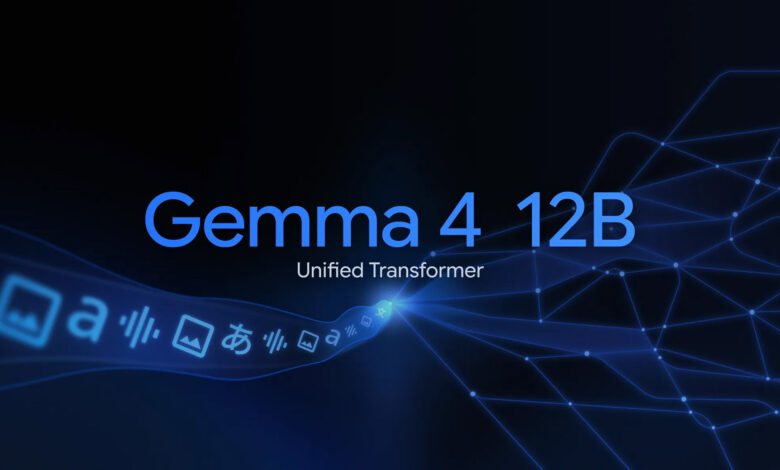
- The Gemma 4 E2B for TPU is tailored for the Tensor chip, enabling local app processing.
- The Pixel 10 introduces new offline features, such as trip planning, recipe suggestions, and smart home controls, along with hands-free commands.
Google has been actively enhancing the intelligence of its Pixel smartphones through AI, and its latest initiative focuses on eliminating reliance on cloud connectivity. The company is prioritizing on-device artificial intelligence, providing developers with new resources to create applications that operate directly on Pixel hardware, resulting in quicker responses, improved privacy, and the ability to function without an internet connection.
The recent unveiling of the Gemma 4 E2B for TPU marks a significant step forward. This lightweight version of Google’s artificial intelligence framework is optimized for the Tensor Processing Unit present in Pixel devices. By enabling AI tasks to be executed on the phone itself, it reduces the need for remote server communication, allowing applications to operate reliably even offline while keeping sensitive information secure.
During the recent Google I/O India event, Google showcased the capabilities of this technology on the Pixel 10. Demonstrations revealed offline AI features that assist with tasks such as trip planning, recipe suggestions, and management of smart home devices. Additionally, the new Mobile Actions functionality allows users to control Wi-Fi settings or launch navigation apps through voice or text commands, all processed locally on the device.
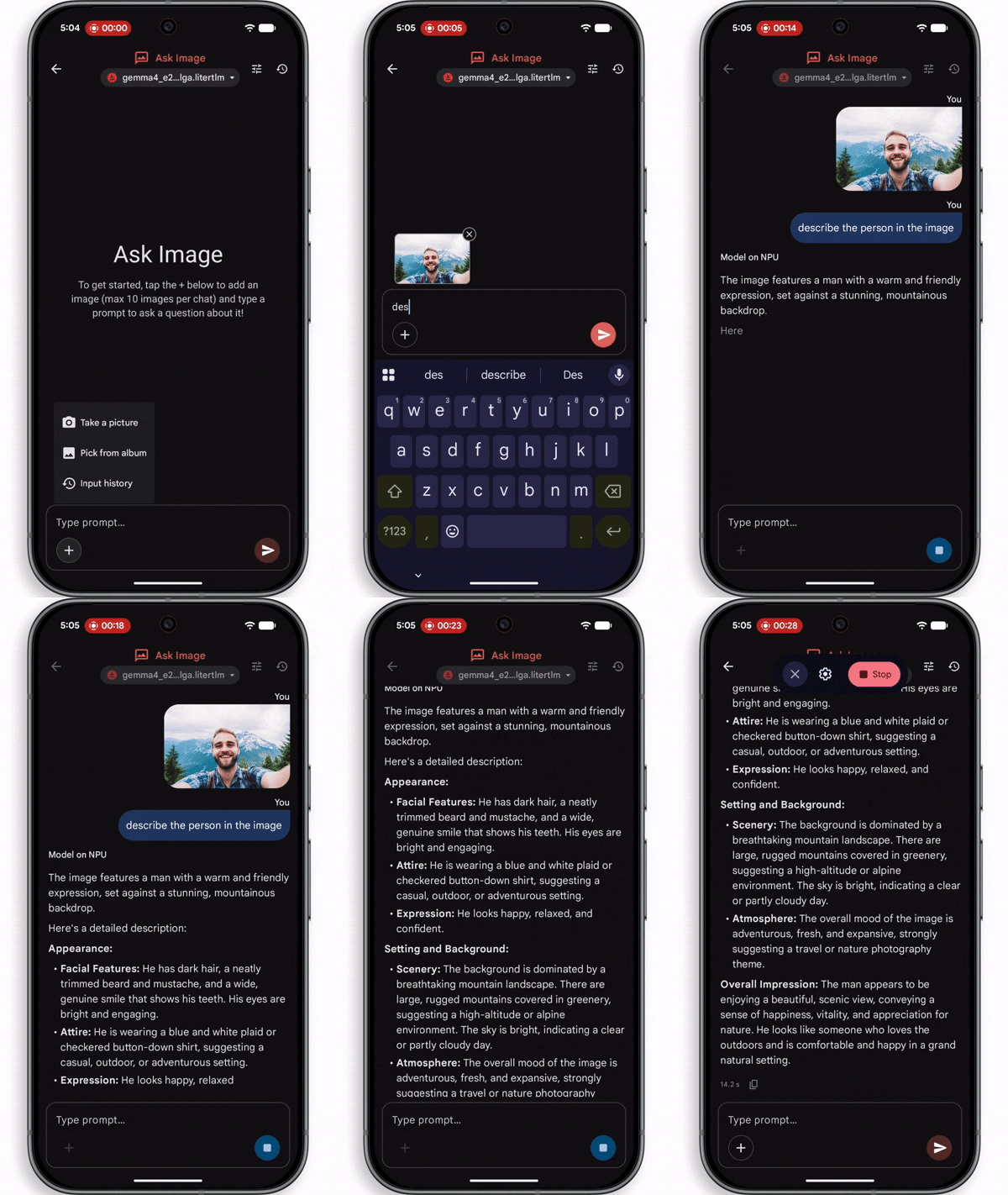
Another key focus for Google is multimodal AI. The Pixel 10 is capable of engaging in AI-driven conversations without needing internet access, recognizing various landmarks or plants from photographs, and transcribing voice notes or lectures directly on the device. These features could prove invaluable when users are traveling, flying, or in locations with spotty connectivity.
The potential for enterprise applications was also highlighted, such as developing offline shopping guides for retail environments or assisting mechanics in diagnosing faulty car components through images captured with a Pixel phone.
We appreciate your engagement with our content. Please review our community guidelines before contributing.