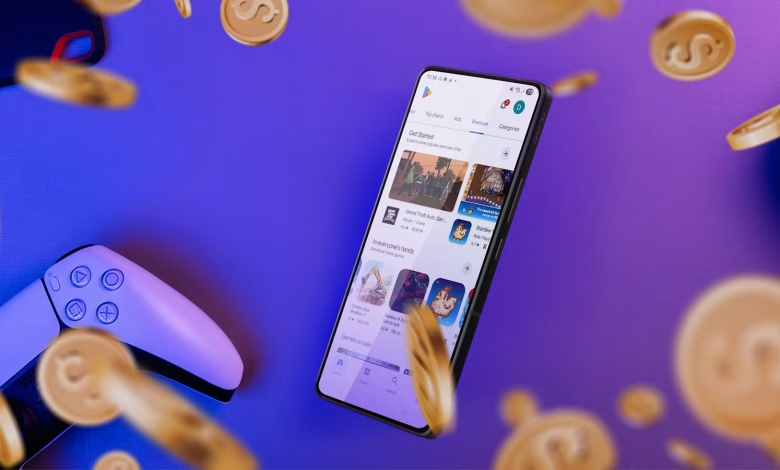
In a significant update for Android users, Google is expanding its “billing choice” program on June 30, enabling more diverse payment methods within apps. This initiative allows developers to implement their own billing systems for in-app purchases, which may not always lead to savings for consumers due to associated fee adjustments.
The program, set to roll out initially in the U.K. and the European Economic Area (EEA), allows developers to either integrate their own payment methods directly within their apps or redirect users to their websites for transactions. While similar options are currently available in the U.S., the program will also extend to in-app payments in Australia by September 30, Japan, and South Korea by December 31, and further worldwide by September 30, 2027.
Alongside these new choices, the fees developers encounter will be changing. Starting June 30, developers earning less than $1 million annually will pay a reduced service fee of 10% to Google, plus an additional billing fee if opting for the Play Store. For those exceeding $1 million, the service fee will range from 20% to 25% for one-time purchases, although subscription fees will remain constant.
Developers providing exceptional user experiences may qualify for more favorable rates, between 15% and 20%, though these will only be applicable from September 30 onward.
Will opting for alternative billing save you money?
Potential for more choices in apps
Theoretically, the new billing options may allow developers to reduce costs and subsequently offer better prices to consumers, all without the need to sideload applications. This could mean lower prices for game add-ons or in-app subscriptions that match or improve upon online offerings.
However, savings are not guaranteed. Similar to Apple’s strategies in certain regions, you might find prices similar to what you would normally pay due to final costs. Operating alternative billing systems can be costly, making it possible for developers to keep any savings for themselves rather than passing them on to consumers.
Nonetheless, there is potential for some developers to offer discounts, and new developers may emerge in the Play Store after previously avoiding it. These changes are partly a reaction to the ongoing disputes between Epic Games and Google regarding in-app purchases for Fortnite, as well as regulatory responses stemming from these conflicts. This shift may lead to reduced tensions and easier purchasing processes for users within existing apps on the Play Store.