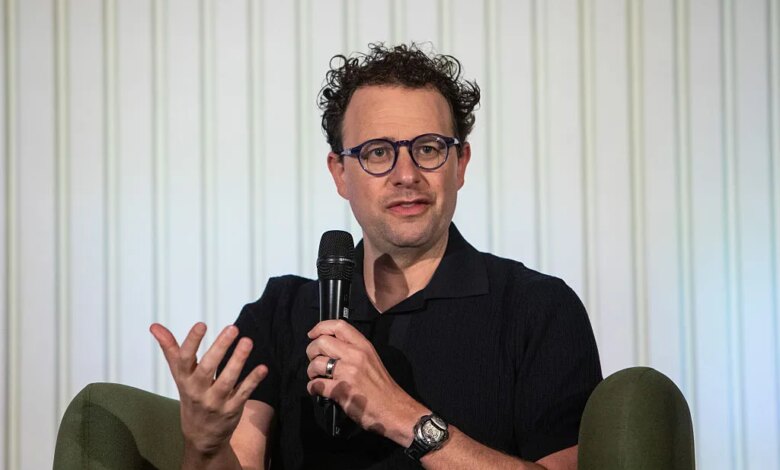
Dario Amodei, CEO of Anthropic, recently addressed criticisms regarding his views on artificial intelligence and its potential future impacts.
His remarks were triggered by investor Gavin Baker, who claimed on the All-In podcast and on social media that Amodei’s alerts about AI threats have contributed to a backlash against the technology in the U.S., especially toward data centers.
Baker asserted that Amodei has effectively “lost the argument” regarding AI regulation. He mentioned that Anthropic supports regulations, such as a California proposal focused on transparency for major AI firms. Given Amodei’s position at a key company, Baker suggested he should adopt a more optimistic tone regarding the industry.
Baker is not alone in his view; many believe that skepticism towards AI and governmental restrictions partly arise from industry leaders’ dire predictions. However, Amodei countered that he believes his messages balance risks and benefits equally. He expressed that he wrote his essay “Machines of Loving Grace” because he felt the AI field wasn’t adequately showcasing the positive potential of the technology.
Amodei did concede that “the public has a negative view of AI” and acknowledged that this represents a significant issue. He diverged from the notion that the blame rests solely with him or other AI leaders warning about associated risks.
“This is fundamentally a trust crisis,” Amodei remarked. “People generally distrust companies, governments, and the tech sector, often believing we’re devising new ways to harm them.”
The theme of “trust” frequently arises in discussions surrounding the AI sector, particularly when it comes to rival Sam Altman, CEO of OpenAI. According to Amodei, the current AI backlash is merely the latest symptom of a long-standing issue.
“The most valid critique of AI companies, including Anthropic, is that we have yet to fulfill our significant promises of benefiting society,” he stated. “This shortcoming is entirely on us, and I believe this is the criticism that needs addressing, rather than focusing on messaging and marketing.” He insisted that Anthropic is committed to rectifying this situation.
Regarding regulation, Amodei argued that Baker’s perspective creates a misleading dichotomy between widespread AI access without oversight or concentrating power in the hands of a few through regulation.
“In Silicon Valley, there’s a tendency to equate regulation with regulatory capture and power concentration, but this view oversimplifies the reality,” Amodei explained. “Many outside this circle see regulation as a way to limit corporate dominance and protect the public.”
Although Amodei doesn’t fully endorse this viewpoint, he emphasized that it shows why Anthropic approaches its policy proposals with caution.
“Our goal is to craft proposals that slow down leading AI firms while providing opportunities for smaller competitors,” he concluded.