QR codes have become such a common sight that many individuals no longer think critically about their use. You spot a code, scan it with your smartphone, and are instantly directed to the specified site. This blind trust in QR codes can be problematic, highlighting the necessity for greater understanding and caution.
QR Codes: Safety Unconsidered
QR codes have infiltrated various aspects of daily life, appearing in places like restaurants, retail outlets, and public transportation signage. Although they may seem new, these codes date back to the 1990s when they were developed by a Toyota subsidiary for tracking car parts. Traditional barcodes had limitations, holding only around twenty characters and requiring precise scanning, which became inefficient in busy factory environments. The two-dimensional grid system of QR codes, in contrast, can store significantly more data and be scanned from any angle.
Strikingly, the creators chose not to patent QR codes, making them an open and royalty-free standard. This decision played a crucial role in their rapid adoption within global supply chains.
While it took time for QR codes to transition from industrial use to everyday applications, the advent of smartphones equipped with built-in QR scanning capabilities set the stage for widespread use. The COVID-19 pandemic played a pivotal role in their mainstream acceptance, as businesses rapidly sought touch-free interactions, making QR codes a convenient solution for menus, payment options, event tickets, and transit passes. However, this swift adaptation has given users a false sense of security, as QR codes do not provide transparent information about their destinations until after they are scanned.
Scammers Exploit QR Code Blindness
Crafty Tricks: Fake Stickers and Redirects
The term “quishing” merges QR code and phishing tactics. Unscrupulous individuals exploit users’ impulsive scanning habits, taking advantage of the fact that QR codes cannot be visually inspected like regular links.
Once scanned, users have no visibility into where they may be directed. Scammers often create urgency, compelling users to scan codes quickly without pausing to think. Such tactics resemble other phishing attempts, like emails warning about urgent account actions, aimed at evoking hasty and thoughtless responses.
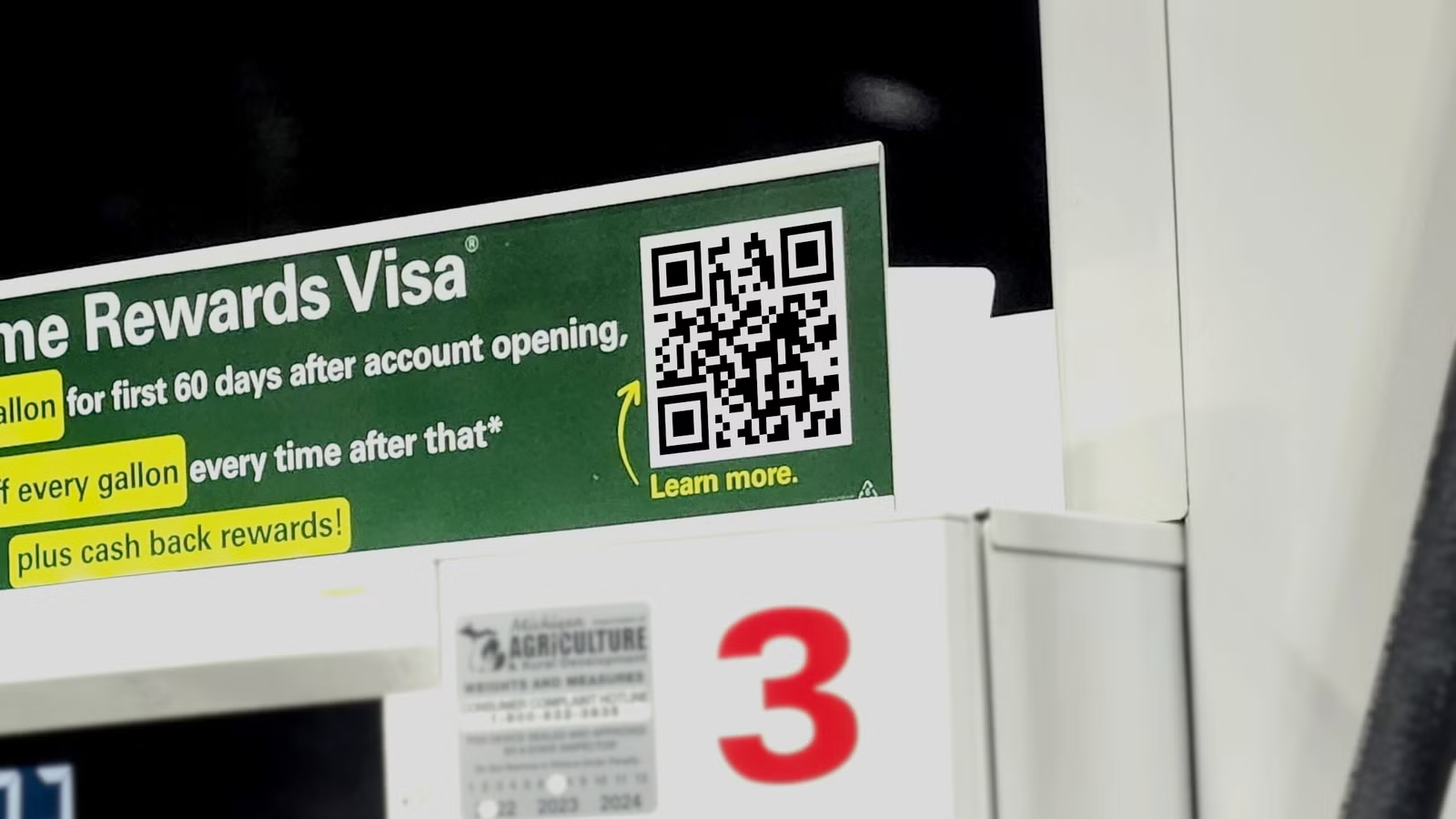
The deceptive practices are alarmingly simple to implement. Criminals can produce counterfeit QR code stickers, placing them over legitimate ones on various surfaces, including parking meters and restaurant tables. Users will scan these codes under the assumption that they are genuine, playing into the scammers’ hands.
Fake QR codes can also be integrated into emails, often disguised within PDFs labeled as important notices. Since email filters primarily target text URLs, image links may bypass these security checks, allowing malicious QR codes to evade detection.
Upon scanning, victims usually do not connect directly to a harmful website. Instead, they are often funneled through a series of legitimate-looking redirects, beginning with recognized services, which further confuses security systems. Attackers can introduce fake CAPTCHA prompts or apply delays that hinder automated security processes from tracking them effectively.
The final destination typically resembles a legitimate login page for popular services. Given advancements in AI, crafting these counterfeit sites has become easier, making it hard to distinguish them from the genuine articles, especially on smaller screens.
Protect Yourself Against Fake QR Codes
Simple Checks Can Keep You Safe
Take the time to inspect QR codes before scanning. Look for irregularities such as peeling edges, misalignment, or unusual textures. If anything seems off, it’s worth bypassing and using official methods instead.
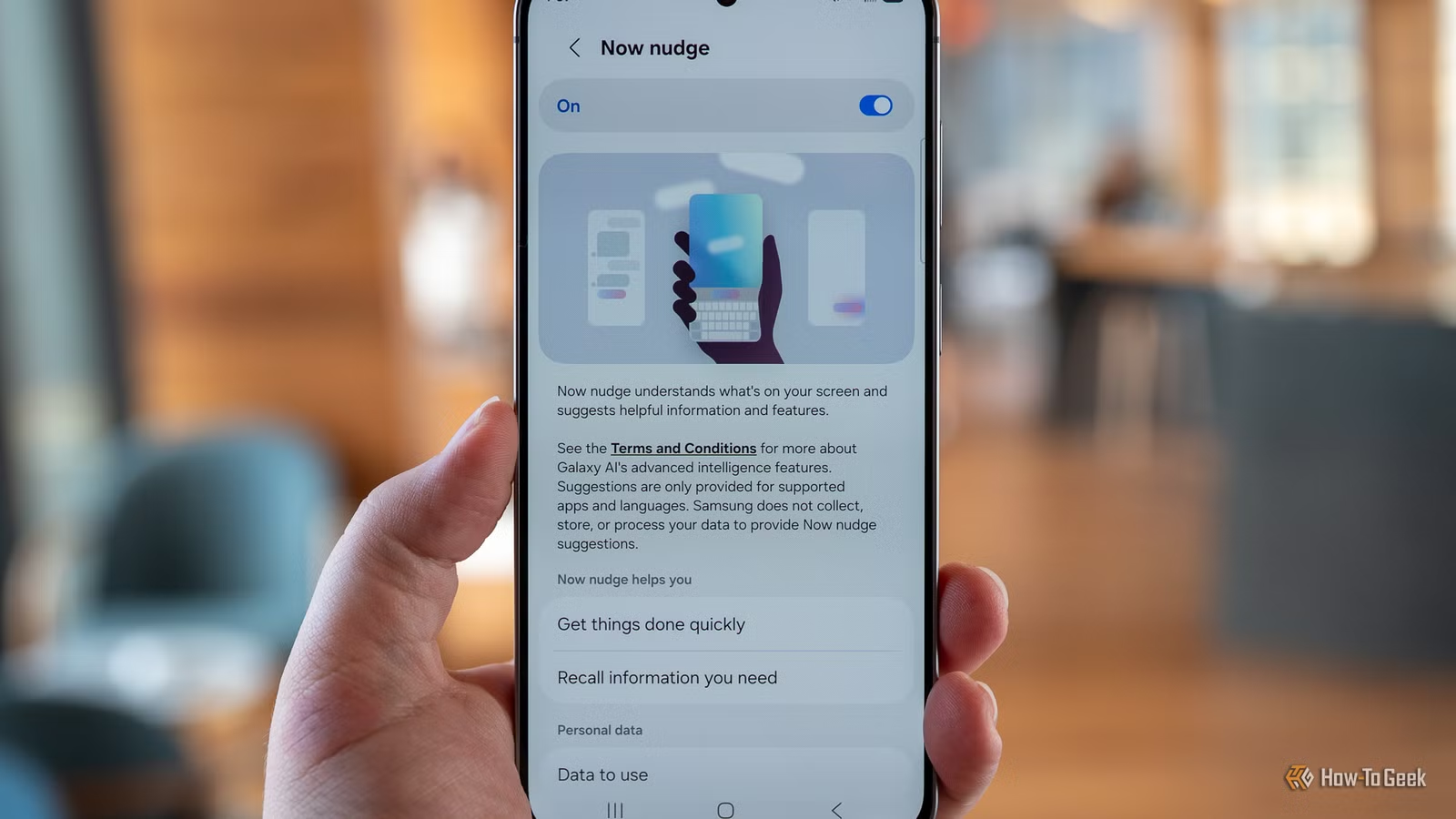
If the code appears legitimate, allow your smartphone camera to assist you. Most modern devices will display a URL preview prior to redirecting you. Always scrutinize this link for warning signs, including non-secure HTTP addresses, misspellings, odd domain endings, or shortened URLs that obscure the destination.
If you spot anything dubious, back out and manually visit the organization’s website instead. Be cautious of any prompts post-scan; if the site attempts to force an app download or requests unnecessary login credentials, this should raise red flags.
Even with all these precautions, scams can still slip through. Establishing multi-factor authentication for your important accounts adds an extra layer of security, ensuring that even if your password is compromised, unauthorized access remains unlikely.
Be Cautious, Not Avoidant
It’s important to note that QR codes are not inherently dangerous or to be completely avoided. They are practical tools that have become woven into everyday interactions. Taking just a couple of extra seconds to verify their legitimacy before scanning can go a long way in keeping you safe.