Pixel Glow Is Here, Yet It Fails to Address Google’s Larger Pixel 11 Challenges

Ryan Haines / Android Authority
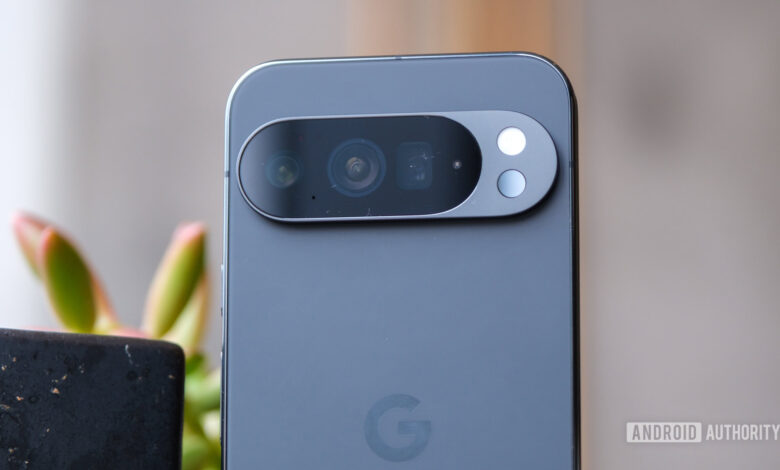
Recently, Google unveiled teaser images for the Pixel 11, revealing a feature called Pixel Glow. This innovation sparks intriguing possibilities for how the device might integrate its capabilities. Without significant design changes, which have previously contributed to the company’s sales success, Google needed to freshen up its hardware offerings.
Although the introduction of new features is promising, challenges lie ahead for the Pixel 11.
The current market faces difficulties, notably with rising component costs. Several Android manufacturers have begun increasing their prices in 2026, and rumors suggest that Google may soon follow suit. While I appreciate the ingenuity behind Pixel Glow, it’s clear that the Pixel 11’s prospects are complicated.
Would you purchase a higher-priced Google Pixel 11?
498 votes
Pixel Glow Brings Excitement
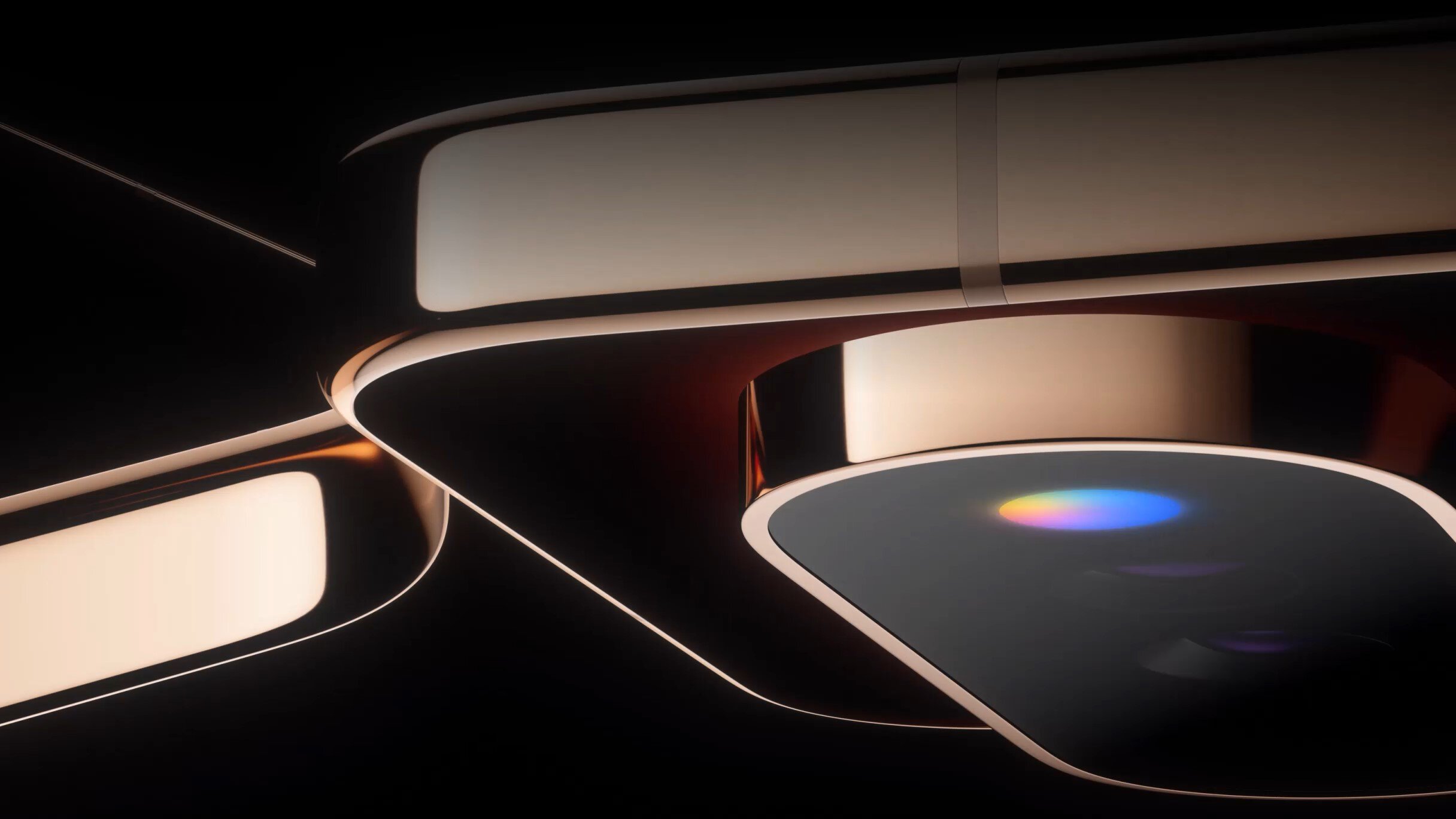
I was thrilled to hear speculation about Pixel Glow being introduced in future devices. While I appreciate always-on displays, the absence of notification LEDs has created a gap in functionality. When my phone is out of reach, the always-on feature doesn’t serve me as effectively as LED notifications did, which could communicate alerts even from afar.
Although I would prefer Pixel Glow positioned differently on the phone, minimalist bezels leave little room for alternative designs. I intend to use a case for my Pixel 11 Pro XL to avoid damage to the screen when laid face down.
I’m also keen to see how third-party applications might utilize Pixel Glow. The teaser suggests a versatile range of RGB lighting, promising a variety of customization options. While I’m delighted by Google’s focus on fun features, it doesn’t entirely mitigate the challenges looming ahead.
Rising Costs Impose Higher Expectations
Ryan Haines / Android Authority
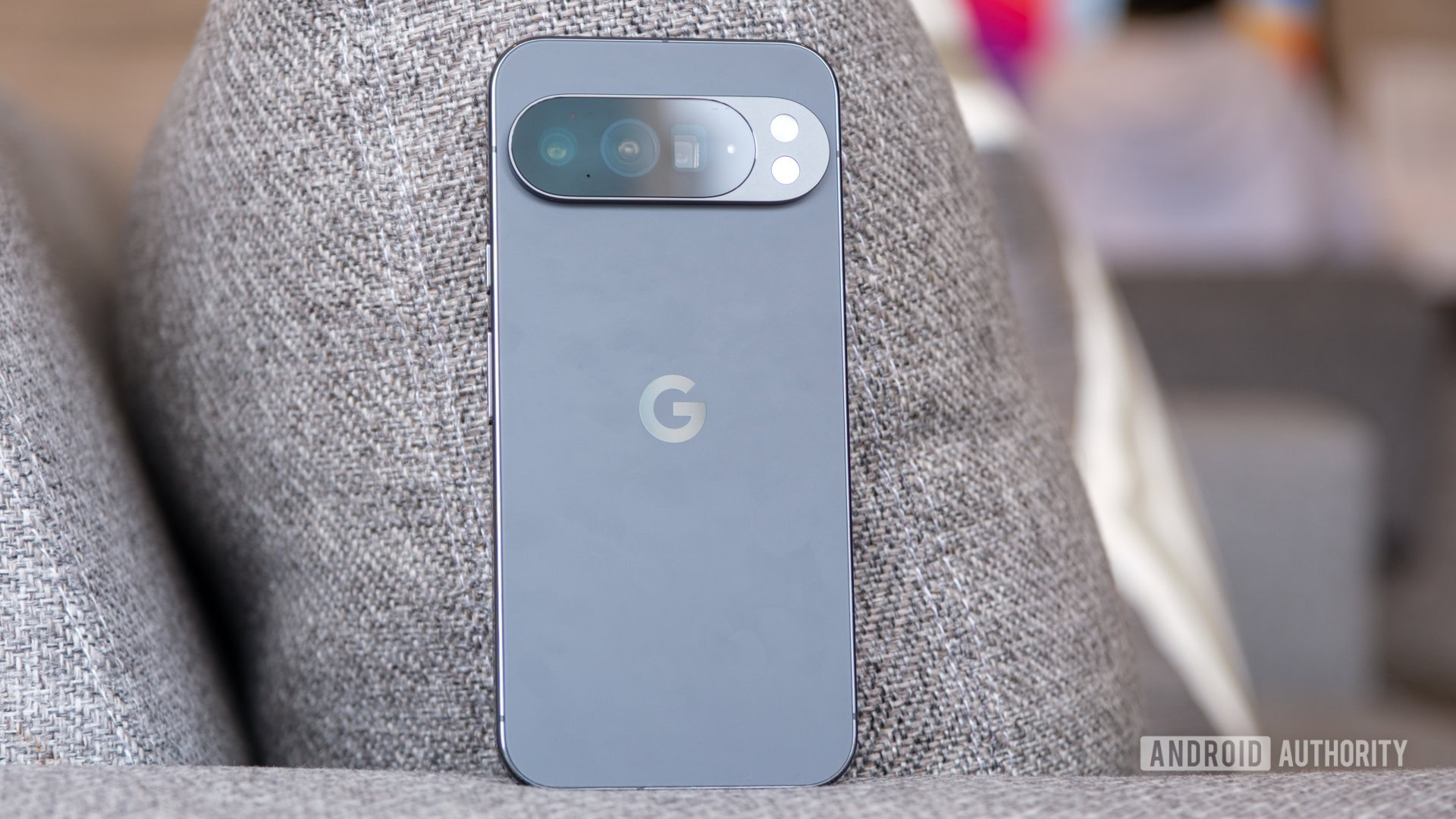
Pixel phones have lost some of their value appeal since the Pixel 9 series. While they have typically been priced slightly lower than Galaxy flagships from Samsung, this doesn’t earn Google any accolades. The likelihood of a price increase seems inevitable. If the Pro models boast 16GB of RAM, it will contribute to rising prices, distancing Google from its value proposition compared to Samsung’s offerings, even amid their own price hikes.
Consumers expect a lot from flagship phones priced over $1,300, and Google can’t ignore that reality. The Tensor G6 chip may become a focal point for criticism. Although there are indications that Google aims to enhance the performance of its flagship chipsets, it seems doubtful that the Tensor will be able to compete with Qualcomm’s Snapdragon 8 Elite Gen 5. Performance has never been the core focus for Tensor, and transforming that in a single generation may be a tall order. High user expectations for gaming capabilities and efficient video recording can’t be overlooked, especially given the price point.
In the past, I’ve defended Google for providing value through other features, but the Pixel 11 will be held to higher standards.
Software Limitations
Stephen Radochia / Android Authority
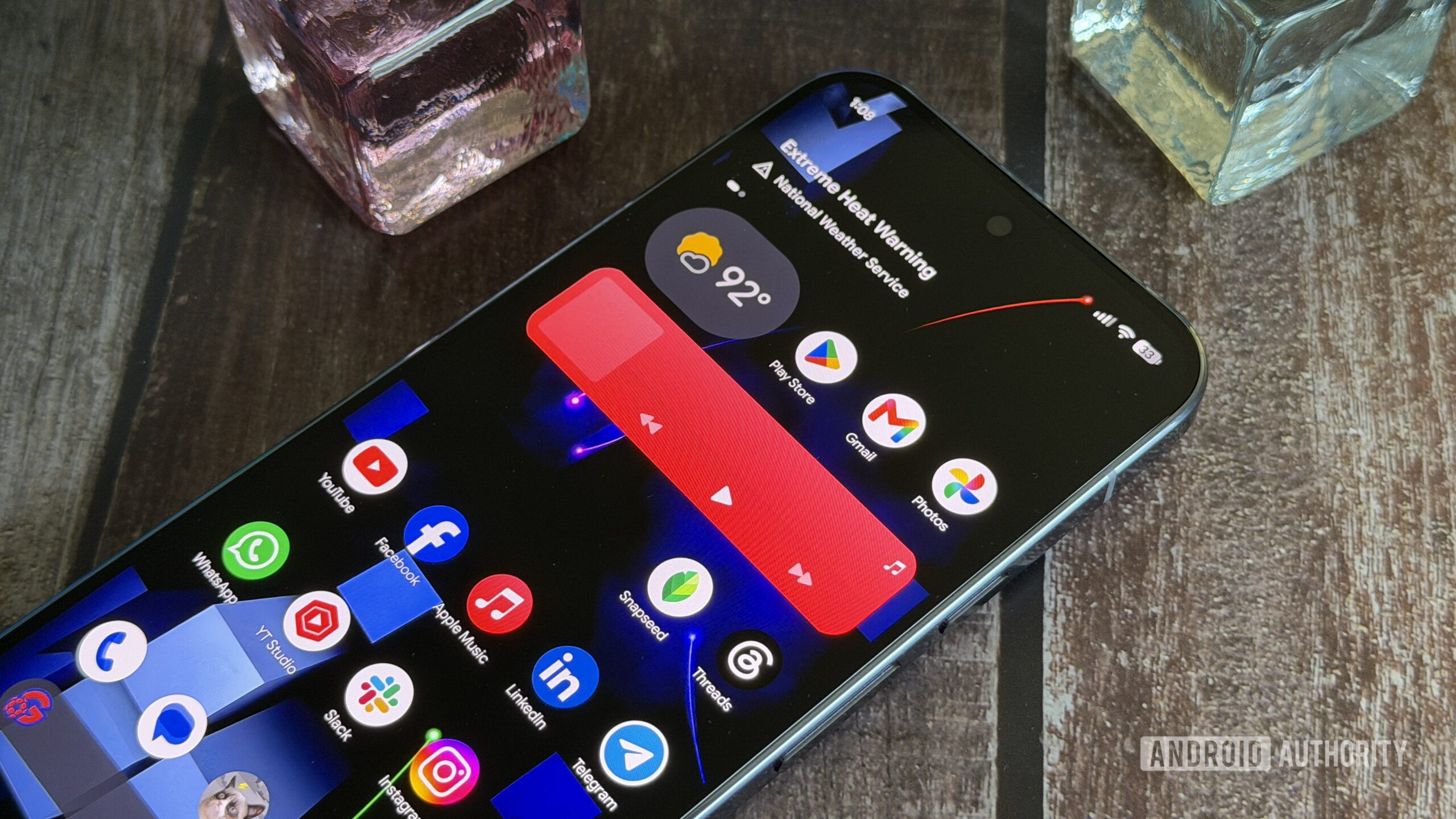
I’m really enjoying the Android 17 experience on my Pixel 10 Pro Fold. Google’s Material 3 design is user-friendly and enjoyable. Features like app bubbles significantly enhance multitasking. However, Pixel feature updates and extended software support don’t seem sufficient anymore. While I prefer Google’s software over One UI, the competition from Samsung is increasingly formidable.
While software and user experience are crucial to a smartphone’s appeal, they can no longer serve solely to bridge the value gap for Google. The Pixel camera technology is dependable, and Google excels in computational photography, but it’s no longer a standout compared to rivals. Despite the potential of new Pixel Glow functionalities, they are merely part of the equation.
A Complex Future Awaits Google with the Pixel 11
Sanuj Bhatia / Android Authority
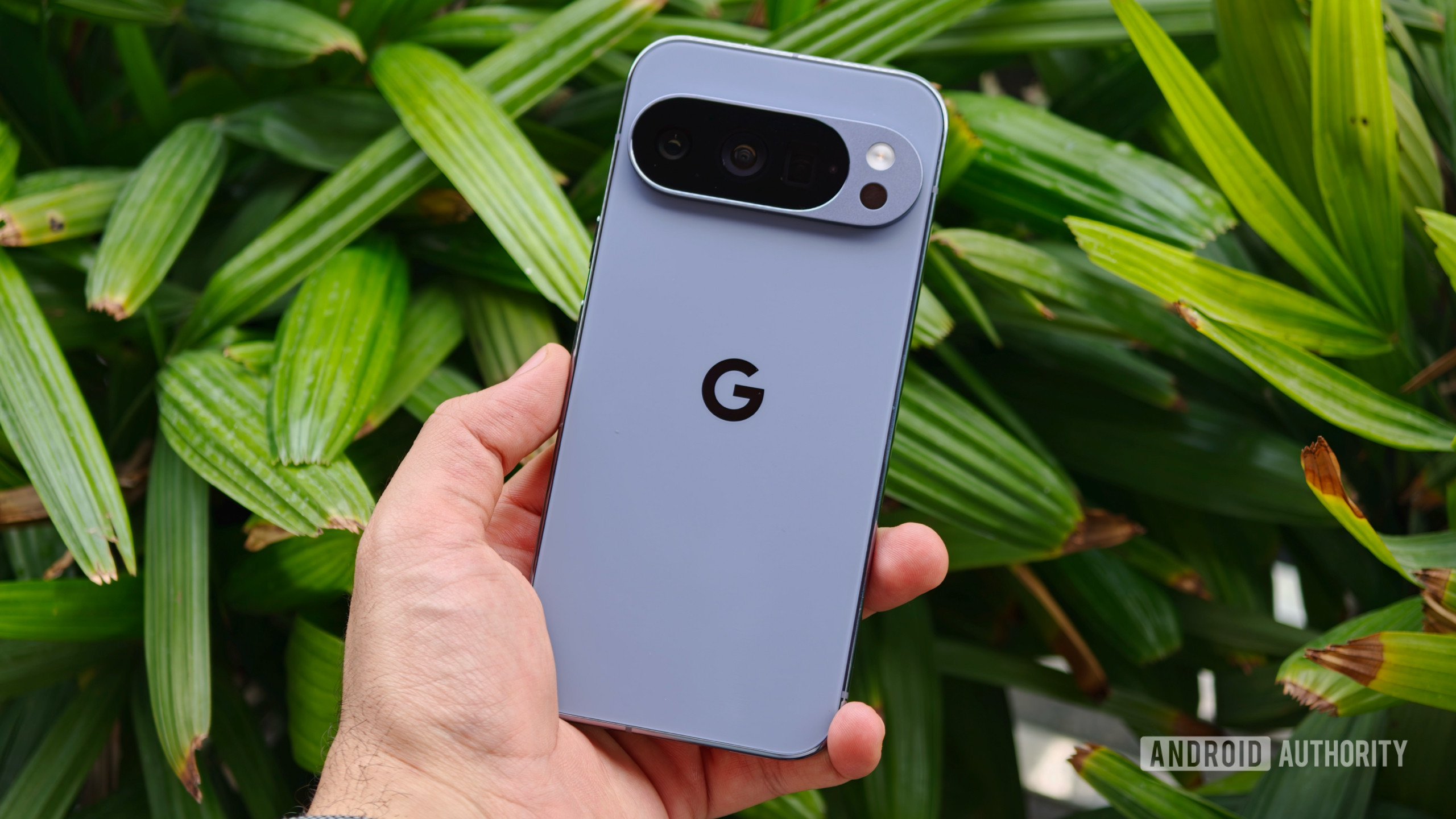
Google has seen fluctuating progress with its Pixel lineup, but the overall trajectory has been optimistic. More consumers are purchasing and enjoying Pixel devices, which is a testament to what works. Unfortunately, the realities of the current market in 2026 pose unique challenges for Google. With the Pro models featuring 16GB of RAM, reverting to 12GB would be detrimental, and the company can’t afford to compromise in any other areas.
Though Google hasn’t explicitly aimed to compete on raw performance, emerging circumstances might thrust the Pixel 11 into a competitive landscape it’s not prepared for. Still, with features like Pixel Glow, it’s sure to make a striking impression.
Thank you for participating in our community. Please read our Comment Policy before posting.