
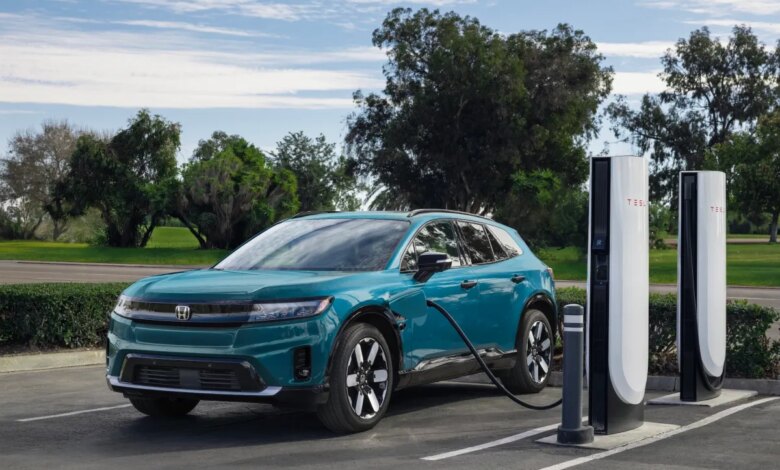
Honda has confirmed the discontinuation of the Prologue, marking the end of their last all-electric vehicle in the U.S. This decision reflects not only Honda’s retracement from the EV sector but also a wider trend of electric vehicle manufacturers scaling back in the U.S. market, unlike the global scene.
The Prologue’s exit prompted us to examine which other electric vehicles (EVs) have ceased operations in the U.S. and the factors contributing to these changes.
The expiration of the $7,500 federal tax credit has significantly impacted EV sales domestically. Beyond this, factors such as tariffs, shifting consumer preferences, production costs, corporate strategies, and regulatory shifts have contributed to the diminishing variety of available models. As reported in July by Kelley Blue Book and Cox Automotive, approximately 247,226 EVs were sold in the second quarter, which accounts for about 5.8% of the overall vehicle market. While there was a rise in sales from the first to the second quarter of 2026, numbers have taken a dip compared to the same timeframe last year, coinciding with the tax credit’s conclusion in late 2025.
Despite these challenges, American consumers are still purchasing EVs, and new models like the Rivian R2 are entering the market. There are indications of a modest recovery on the horizon, though fourth quarter sales in 2025 were notably 36% lower than in 2024. This year, the gap has lessened, but EV sales in Q2 still fell 20.5% compared to the previous year’s figures.
Even though signs of recovery are present, numerous automakers are discontinuing various EV models. Below is a list of those models that have exited or are set to leave the U.S. market in 2026, which will be updated periodically.
Afeela
The Afeela was initially conceived as the Vision S by Sony, introduced in 2020 at a tech exhibition that took the industry by surprise. In 2022, Honda joined the venture, and a branded prototype was showcased the subsequent year.
Despite significant promotion, Afeela never transitioned to mass production. In March 2026, the partnership announced its decision to abandon the two Afeela models, subsequent to Honda’s previous announcement to halt three planned EVs for the U.S. market.
Honda (and Acura!)
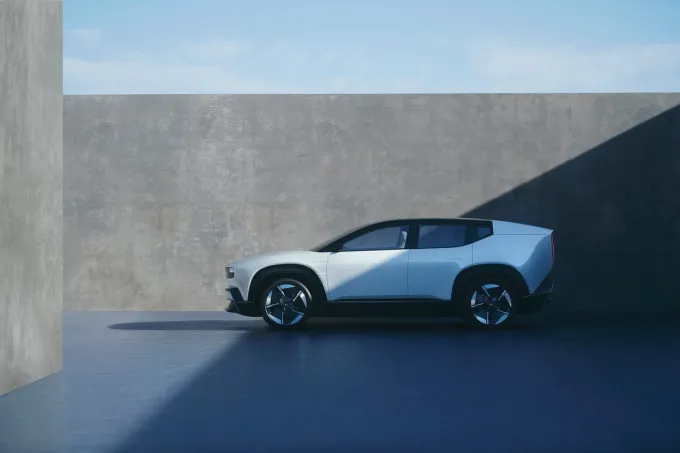
Not long ago, Honda announced ambitious plans for electric vehicles with its O Series, which included a mid-sized SUV prototype first displayed at CES 2025 and futuristic concepts like the Saloon and Space-Hub from 2024. Manufacture was to take place at Honda’s EV Hub in Ohio, with North American availability expected in the first half of 2026.
However, development for the Acura RDX, Honda O sedan and SUV was suspended in March 2026, resulting from a significant restructuring of the company’s EV strategies. Honda cited U.S. tariffs and competition from Chinese manufacturers as primary reasons for this pivot.
At the time, rumors circulated regarding a halt in Prologue production, confirmed only on July 16 when another source first noted the cancellation. Honda verified that the Prologue would cease production.
The fate of the Series 0 remains unclear since it never reached production. The Prologue, in contrast, was associated with more realistic objectives and was successfully marketed to American consumers through a partnership with General Motors, manufactured at GM’s Ramos Assembly Plant in Mexico, and closely linked to the Chevrolet Blazer EV. Initially, it performed decently with sales of approximately 33,000 units in 2024 and 39,000 in 2025, before plunging after the tax credit was revoked.
Hyundai
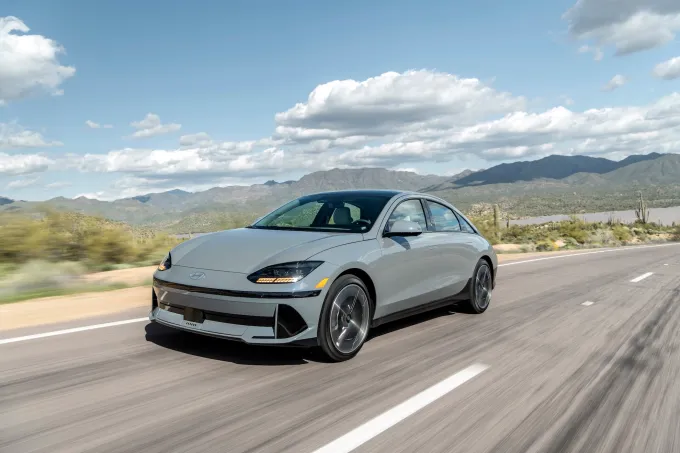
Hyundai has found success in the American EV market, but it has also made adjustments to its offerings. In March, the company declared it would stop selling the Ioniq 6 in the U.S., largely due to tariff-related issues. While Ioniq 6 is produced in South Korea and shipped to the U.S., its Ioniq 5 and Ioniq 9 counterparts are manufactured in Georgia.
Nevertheless, Hyundai will continue to import the more expensive N-model of the Ioniq 6.
Nissan
Last year, Nissan made the call to forgo producing a 2026 model year for its electric Ariya SUV in the U.S. market, and it appears this model won’t be returning anytime soon. The Ariya was initially unveiled in 2020, with plans for its launch in Japan the following year.
The Ariya marked a return for Nissan as it hadn’t released an all-electric vehicle since the Leaf hatchback nearly ten years ago.
Polestar
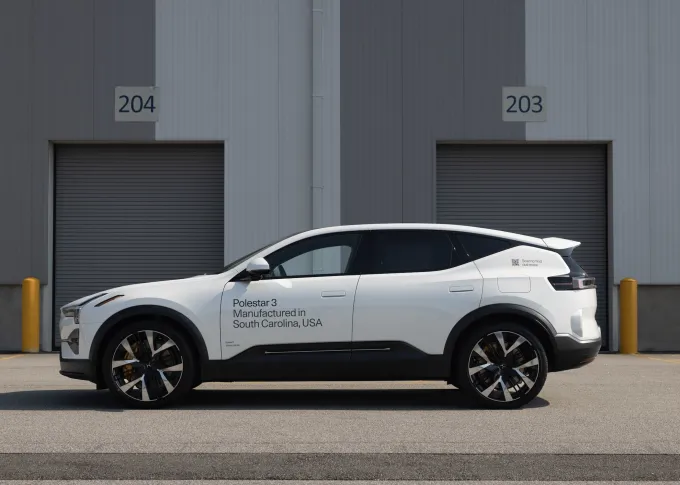
The Swedish electric car manufacturer Polestar, under Chinese ownership, has faced challenges in the U.S. market due to prohibitions against certain Chinese-related technology in vehicles. To continue selling in the U.S., Polestar required specific clearance from the U.S. Department of Commerce which was not granted. The company plans to deplete its existing inventory of Polestar 3 and Polestar 4 models while maintaining customer support and service infrastructure. The Polestar 3 is produced in South Carolina and Chengdu, China, while its sibling brand, Volvo, managed to secure the necessary authorization.
Tesla Model S and Model X
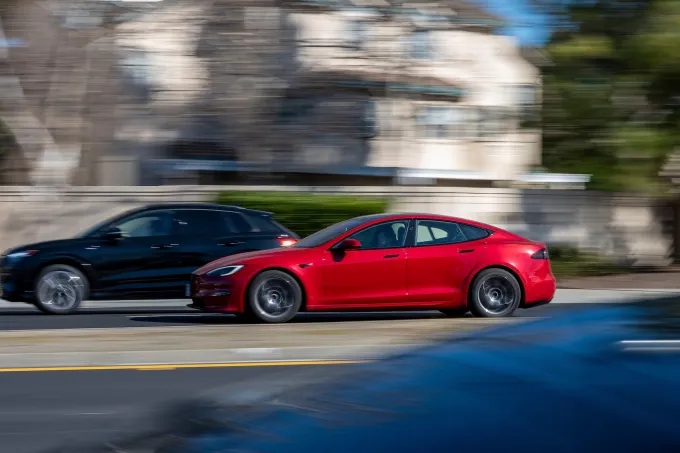
Tesla revealed in January the cessation of production for the Model S sedan and Model X SUV, pivoting towards what it envisions as the future—focused on AI, automation, and robotics. Sales for these two models have steadily declined over the years as consumers gravitate towards Tesla’s more affordable options, the Model 3 and Model Y.
The final Model S and X units left the production line this spring as Tesla repurposed those manufacturing lines in its Fremont, California factory to accommodate its Optimus robots.
Volkswagen
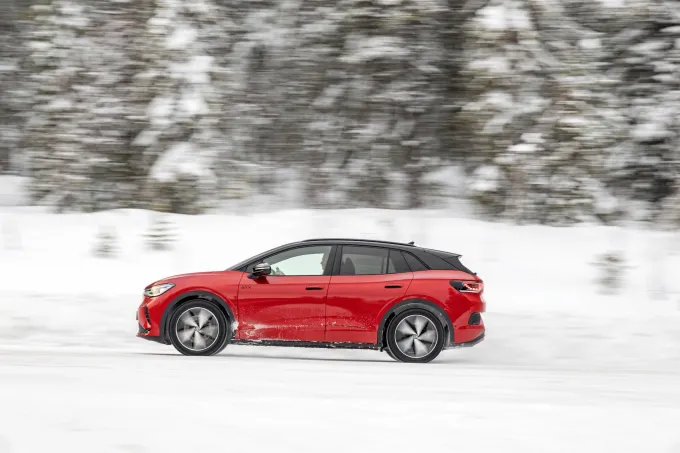
Volkswagen is retracting its ID.4 SUV and the ID Buzz from production in the U.S. market. In April, the company confirmed they would stop producing the ID.4 at their Chattanooga, Tennessee plant to reposition efforts towards higher sales volume models, including an upcoming gas-powered Atlas SUV. Volkswagen stated that current ID.4 stock would still be available for U.S. customers until supplies run out, which is expected to last until 2027.
As for the ID Buzz, Volkswagen clarified it’s only on hold, with plans to return in 2027, but no models will be released in 2026. Nevertheless, they are currently testing self-driving versions of the ID Buzz for future robotaxi services, collaborating with Uber in Los Angeles with a roll-out planned for late 2026.
Volvo
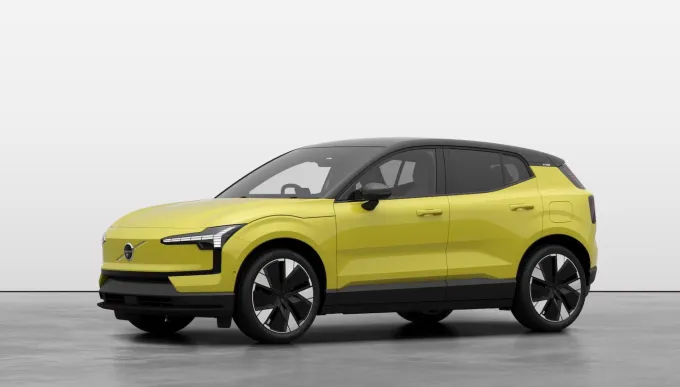
Volvo announced in March its decision to withdraw the compact EX30 and EX30 Cross Country models from the U.S. market, stating production would wrap up after summer. The EX30 experienced considerable anticipation prior to its 2025 U.S. launch as the manufacture’s more budget-friendly EV option.
However, Volvo will still continue offering its larger all-electric EX60 and EX90 SUVs in the U.S. market.




