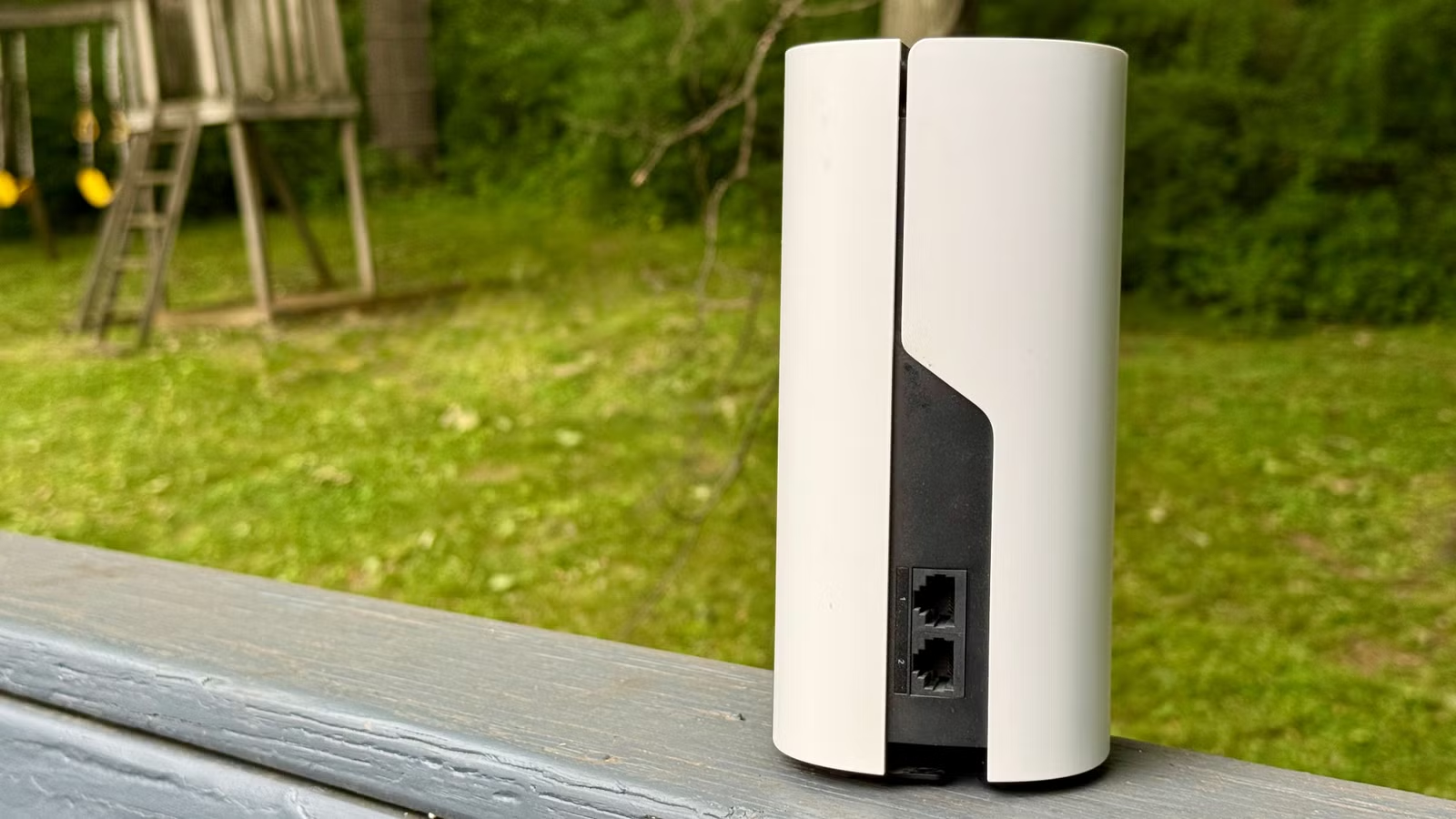
With summer around the corner, many of us are preparing our backyards for gatherings or simply to enjoy the warm weather. However, you might discover that your Wi-Fi connectivity is lacking outside, which can be frustrating, especially if you also struggle with weak cell service.
Fortunately, there’s a cost-effective way to boost your Wi-Fi signal in the backyard without investing in an expensive mesh system.
The Backyard: A Wi-Fi Challenge
A Wi-Fi Black Hole
If you’re like me, your indoor Wi-Fi is strong and consistent, allowing you to browse and stream without hassle. However, just stepping outside can reduce that signal to nothing. This can be particularly grating if your cell service is just as unreliable.
Many suggest setting up a mesh router, but these systems often come with a hefty price tag and typically include only a few units per package. Adding more units incurs additional expenses, further complicating the situation.
Moreover, I was concerned about the weather affecting a mesh router used outside, even if it was sheltered. Then, I found a different solution: repurposing an old router as an access point to extend my Wi-Fi to the backyard. This way, I could utilize an idle device rather than buy something new.
Transforming Your Old Router
Boosting Your Wi-Fi Range
The thought of changing Wi-Fi settings can be daunting, especially if you’re worried about accidentally disrupting your connection. However, I found the process surprisingly straightforward. It involved finding a good spot for the old router and linking it to my existing network.
First, I located my old router in a position that offered decent coverage for the backyard, taking advantage of an Ethernet port previously installed for a family computer. This allowed a direct connection to my main router on the opposite side of the house.
If you lack an Ethernet port, options exist for establishing a wired connection using your home’s electrical wiring. Adapters are available for this, such as the TP-Link AV1000 Powerline Ethernet Adapter Kit.
Once set up, connecting the old router to the adapter allows it to benefit from a stable wired connection.
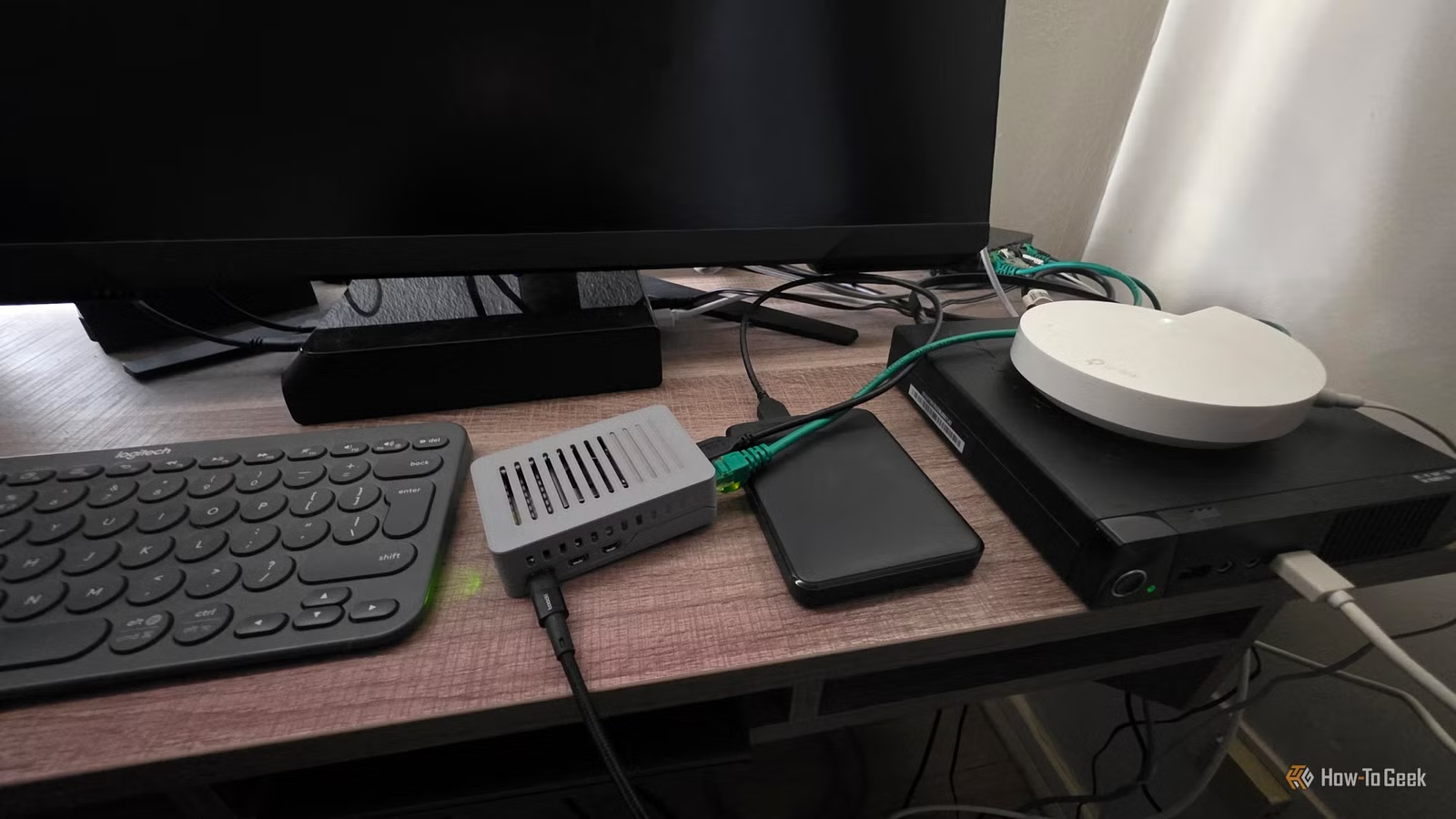
In my case, I utilized an old TP-Link router, which was easy to reconfigure as an access point. I connected it to my main router via Ethernet, added it as a new device through the TP-Link Deco app, and switched it from router mode to access point mode.
The distinction between the two modes is significant. The router mode connects directly to your internet line and distributes access, while access point mode bridges your primary router and your devices, enhancing wireless coverage in your home.
One drawback exists: unlike a dedicated mesh system, the transition between the primary router and the access point isn’t entirely seamless. While sharing the same network name and password can facilitate easier switching, I opted for a different approach.
A mesh system allows devices to switch between nodes automatically while maintaining a connection with the same network. In contrast, using an access point means I can set up a distinct network name, which requires manual selection each time I want to use the old router’s signal.
Initially, I was hesitant about having multiple networks to toggle between; however, after some thought, I realized it may not be a major inconvenience since I spend more time indoors than outside.
To make things easier, I gave the access point a unique name, helping guests quickly identify the network that covers the backyard.
Setting up my old router as an access point has truly enhanced my outdoor experience. Before, I struggled with a weak signal while trying to enjoy the fresh air. After implementing this access point, I’ve noticed a marked improvement with stronger signals, faster loading times, and increased reliability throughout my property.
If you face similar Wi-Fi coverage challenges in your backyard, consider digging out your old router. It’s never too late to transform what seems like clutter into an effective and money-saving solution.